

How to Fix Common French Door Repair Problems
French doors can add a touch of elegance to your home. They are also great for homes with a period.
They're also easy to maintain. It is recommended to clean them frequently using a mild soap.
Nevertheless, they can be damaged over time like any other door. There are many methods to repair these doors.
Broken or Cracked Window
A damaged or cracked window isn't just ugly, it compromises the security and insulation of your home. It is impossible to stop the crack from spreading forever but you can slow it down with some quick and easy fixes.
The first step is to wear protective glasses and gloves when working with glass as it is easy to break glass shards if you aren't careful. Then take the time to thoroughly clean the area around the crack using a the help of a damp cloth to eliminate any dirt or debris. This will ensure that the adhesive you use to fix the crack is held properly and doesn't leak out or cause further damage.
Choose if you'd prefer to use a temporary solution, such as tape or plastic film, to cover the hole or if a more permanent solution is what you would prefer. If you choose the latter option, be sure to purchase a glass glue specifically designed for glass and windows such as Loctite's Super Glue Glass. This product is strong and can be used on the outside or inside your windows and glasses. It's perfect for quick fixes.
A clear nail polish may also be used to temporarily fill in cracks. This is particularly useful for stress cracks that develop when temperatures change dramatically from cold to hot. Be aware, however, that nail polish was never designed to withstand water, so it will not last for long. You can also cover the windows with a plastic film which will protect the windows and keep out insects, rain and wind.
Sagging Hinges
A sagging door can be a source of displeasure and can affect the overall stability of your home. Fortunately, the majority times, it's simple to correct. If your door begins to move, it's crucial to fix the issue immediately. If not, small problems could turn into more serious issues like squeaks, or other serious misalignments.
Start by looking over the hinges. The loose screws are often the cause. If tightening the screws does not resolve the sagging, replacing them with longer screws could help. Longer screws will be able to support the weight of your door and stop it from sliding.
It is also possible to add shims to adjust the hinge's location. Thin strips of material can fit between the hinge and jamb or frame, distributing the weight evenly and preventing future sagging. Use a doorstop, or have someone hold the door while you remove the screws from the damaged hinge, and then carefully lift the door off the hinges.
It's important to note that a sagging door could be due to an uneven floor. This can lead you to inspect the floor for any issues and correct them, which will help solve the sagging problem without focussing on the door itself. The door's sagging may be caused by the condition of hinge components such as the pin or the knuckle. If this is the situation, you'll need to replace the hinges, a task that can be difficult for those with no carpentry expertise. In some instances, sagging door hinges may be a sign that the structure of the door is too heavy for its frame or jamb.
Doors that are not aligned
Doors that are not aligned properly can cause them to slide, scrape against the frame, or be difficult to latch. A door that is not aligned properly can be a nuisance, but it also can contribute to energy inefficiency and the sound of scratchy, squeaky noises throughout your home. There are a few simple solutions to the issue without calling an expert.
If the gap between your doors is uneven, it could indicate that the hinges need to be tightened. If, however, the gap isn't too large, it might be due to your door's frame shifting or settling over time. In this case you can use shims to reset the frame.
A high level of humidity in the air is another common cause of misalignment. This can cause the wood to expand and cause doors to close properly. This isn't a permanent problem and usually goes away when the humidity decreases.
After replace window with french doors that is heavy there are many who discover that their doors aren't aligned properly. The solution is easy tighten the hinge screws. If this isn't working, you can make use of longer screws to fix your hinges. This will provide them with more support and will stop the hinges from loosening again in the near future.
Another potential issue is an unaligned strike plate. The strike plate is usually moved lower to make space for the latch. This is a simple solution, but you'll have to take off the existing strike plate and make new holes for it. Use a dowel made of wood with the same diameter as the screwhole to fill the hole that was previously drilled, and then fix it in its new location.
Broken Latch
If the latch does not retract when you operate the handle or manually push it, it's a sign that something in the mechanism's internals is broken. Checking where the latch contacts can help you determine the reason for it to fail. A lipstick test can help determine if the issue is caused by sagging hinges, misaligned latch bolt, narrow strike plate holes or a combination of problems. To conduct the test, place an area of lipstick (or similar marking material) on the latch. Close and then open the door. If the latch is in contact with either the lipstick below or above the strike plate this indicates that the latch and strike plate aren't in contact.
The most effective way to fix this is to make sure that the latch is lubricated. WD-40 and other dry lubricants don't work as well as a graphite pencil. You can also make use of a cotton swab in order to clean any dirt that has accumulated in the keyhole.
If lubricating your latch doesn't solve the problem, it may be necessary to reposition the strike plate. If you've sanded or shimmied the hinges or widened the strike plate hole, you will need to move the strike plate to the appropriate position relative to the latch. Once you have moved the strike plate and adjusted the latch to the correct position, test the lock to ensure it's functioning properly. If the latch is stuck, you can make use of a wood filler to fill any old screw holes or gaps created by moving the strike plate or sanding the hinges. You can then stain or paint your frame to complete the repair.
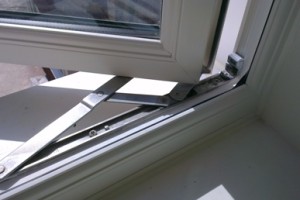
Leaks
Leaky French doors can be a serious problem. Water can leak through French doors and cause mold or wood damage. This can result in expensive repair costs later on. The good news is that the majority French door leaks can be fixed with just a bit of effort and a few simple tools.
One of the most common reasons for leaks from French doors is the poor weatherproofing. This is due to the unique design of French doors, which comprise of large areas of glass and frames. It is important to check the entire structure of your French doors for signs of wear and tear that could result in leaks. It is essential to ensure whether all seals haven't deteriorated and are in good condition.
If you notice that your French doors are leaking when it rains it's a good idea do a thorough inspection to determine the cause of the leak. Examine for any visible signs of water ingress for example, damaged seals around frames or window panes or the rusty sealants for thresholds. It is also essential to ensure that the threshold is sealed and insulated.
In some instances, a French door may leak when it rains because there is a blockage in the mechanism of the lock. If this is the case, you'll have to clean the lock using a silicone spray. This will lubricate the lock and prevent it from getting stuck. If you are having trouble opening the lock, it could be because the key is damaged or worn out. It's time to get it replaced. You can get keys to replace them at many hardware stores. If your key is short or has become worn out, it could be the right time to replace it with a new lock.